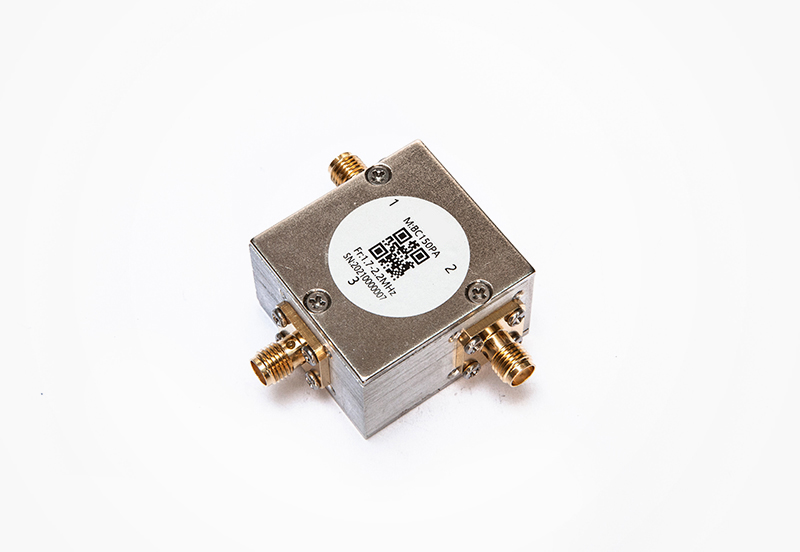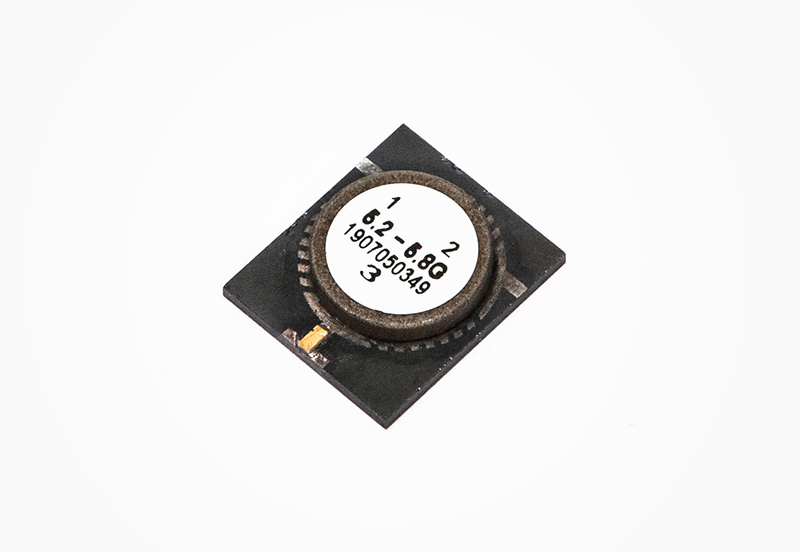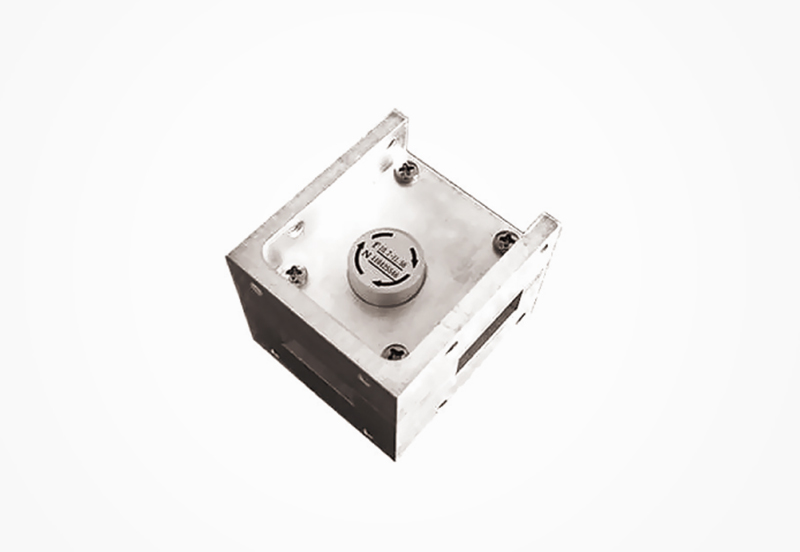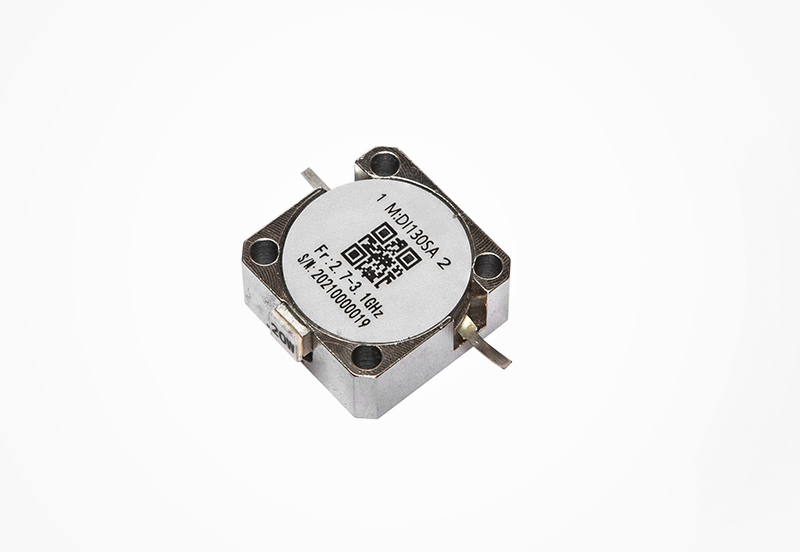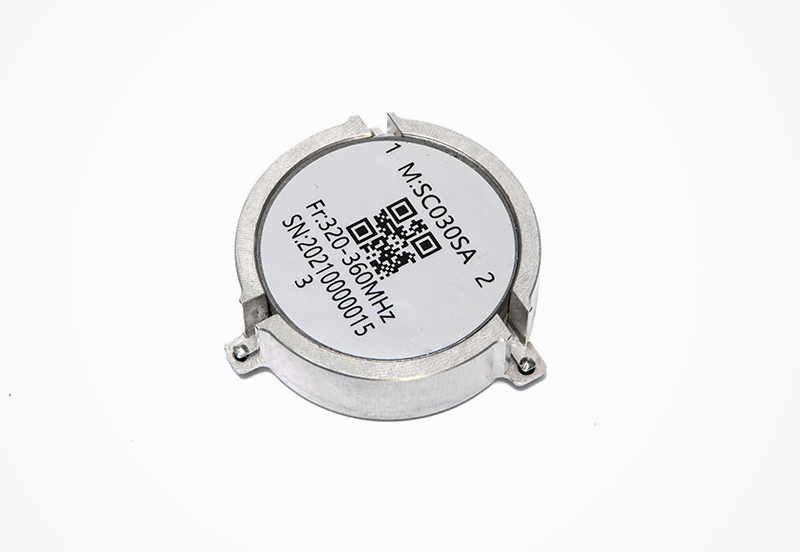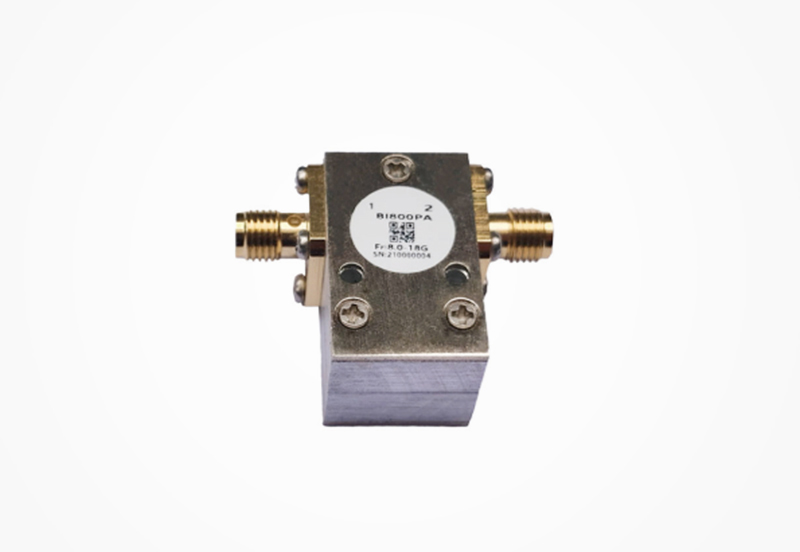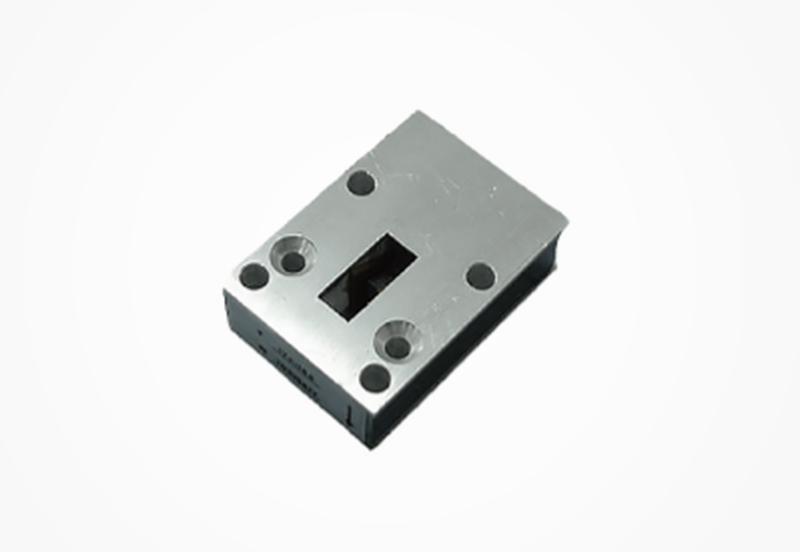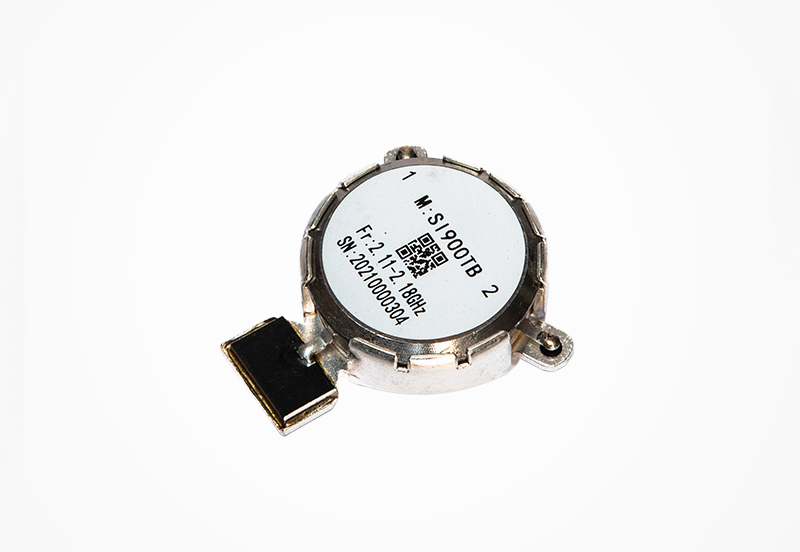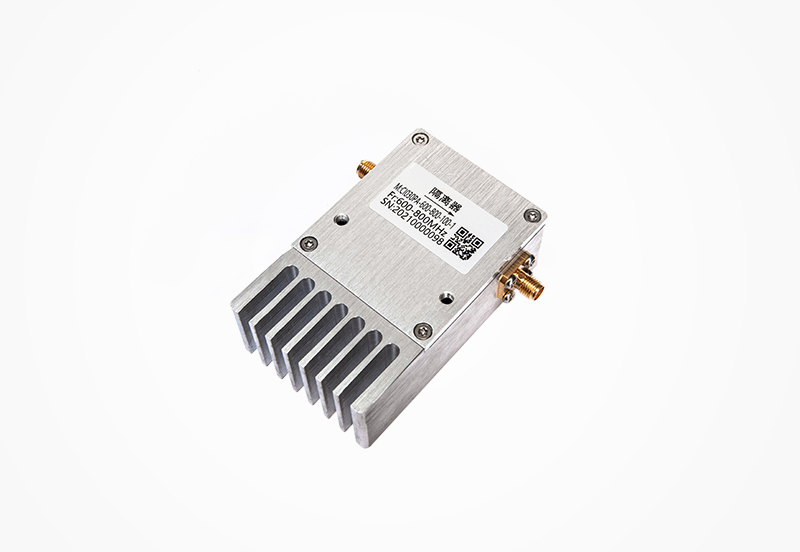




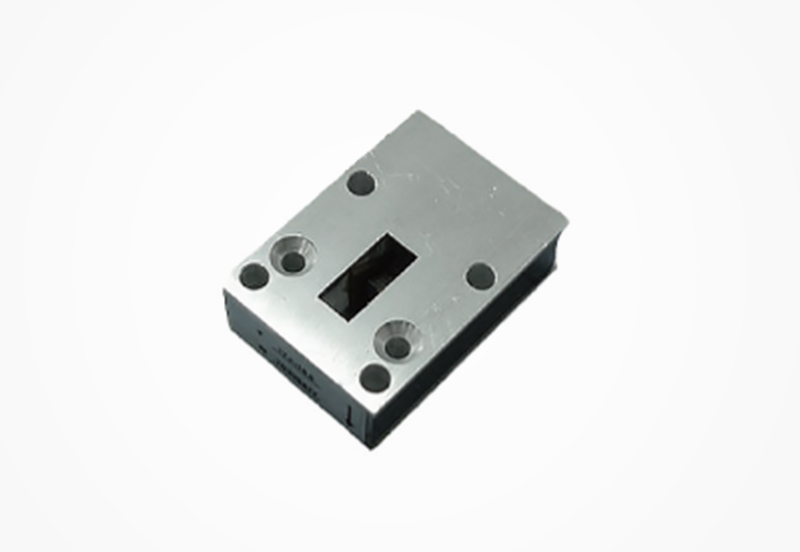
RF isolators have become indispensable passive components in modern scientific instrument systems, serving as a critical protective barrier for high-precision radio frequency and microwave experimental equipment. Unlike conventional electronic protective devices, RF isolators feature non-reciprocal transmission characteristics based on the Faraday rotation effect of ferrite materials, enabling low-loss forward signal transmission while strongly suppressing reverse reflected signals and interference energy. Scientific instruments such as spectrum analyzers, signal generators, microwave test benches, and quantum measurement devices are extremely sensitive to signal reflection and RF noise. Even weak reverse reflected power can cause signal distortion, measurement deviation, and long-term drift of instrument parameters, severely compromising the accuracy and repeatability of experimental data. The core protective value of RF isolators lies in isolating the core instrument circuits from variable load ends, eliminating the adverse impact of load impedance changes on signal source stability.
In high-precision scientific experiments, impedance mismatch is the most common cause of reverse signal reflection. During continuous testing, experimental loads, connecting lines, and peripheral auxiliary equipment may experience impedance fluctuations due to temperature changes, structural vibration, or component aging, generating reflected RF signals that propagate back to the precision instrument core. Without isolator protection, these reverse signals will interfere with the internal oscillation circuit and amplification module of the instrument, leading to increased signal noise floor, reduced dynamic range, and even instantaneous power impact that burns delicate semiconductor components. RF isolators solve this problem by absorbing and isolating reverse energy, maintaining a stable one-way signal transmission path. Most standard scientific-grade isolators achieve forward insertion loss below 0.5dB and reverse isolation exceeding 20dB, which fully meets the stringent stability requirements of laboratory precision testing scenarios.
Moreover, RF isolators provide reliable anti-interference protection for complex electromagnetic laboratory environments. Modern scientific research laboratories are usually equipped with multiple high-power electronic devices, which produce a large number of stray RF signals and electromagnetic radiation during operation. These external interferences can couple into the instrument’s signal transmission line and form reverse interference signals. The non-reciprocal isolation characteristic of RF isolators can effectively block such backward coupled interference, ensuring that the instrument only receives effective forward input signals. In long-term continuous experimental operation, RF isolators also reduce the frequent start-stop and parameter calibration frequency of scientific instruments, effectively extending the service life of precision equipment, reducing experimental failure rates, and lowering laboratory operation and maintenance costs. For cutting-edge research fields such as microwave spectroscopy, quantum communication testing, and aerospace component calibration, RF isolator protection has become a standard configuration to guarantee experimental credibility.


Contact Phone:
0755-26701085 0755-26701002
Company Address :2nd Floor, Building A, Juchuang Jingu Creative Park, Xili Street, Nanshan District, Shenzhen