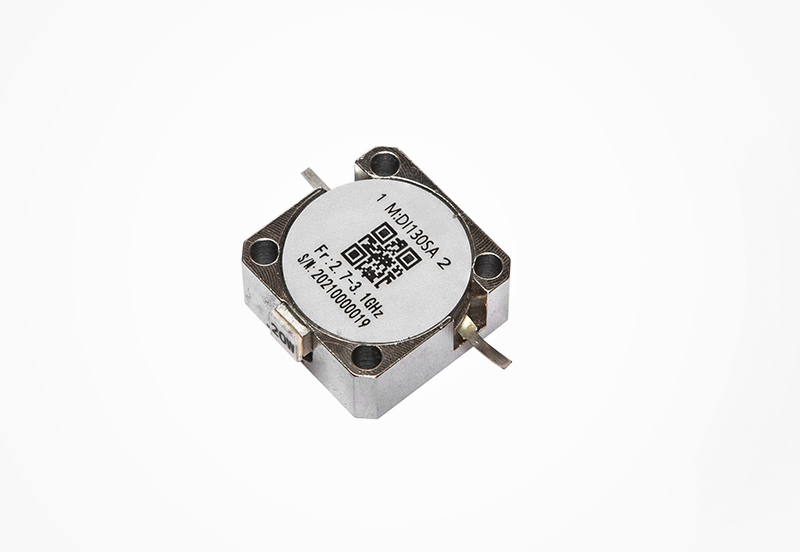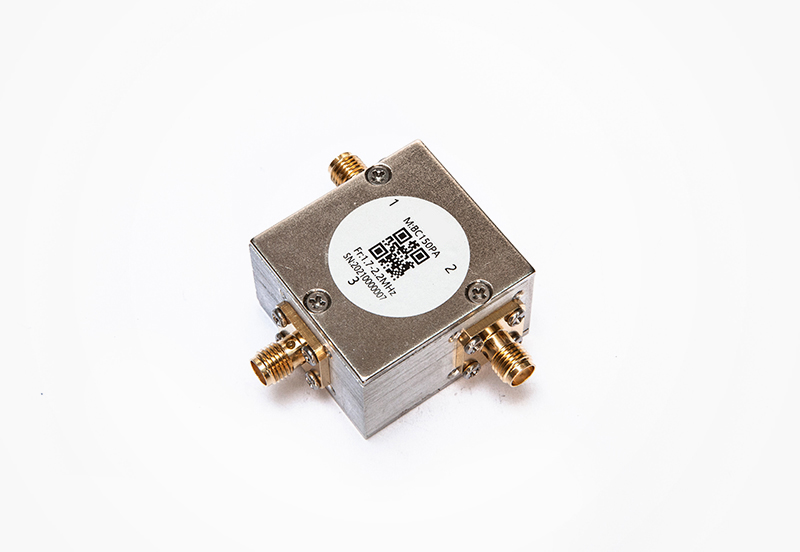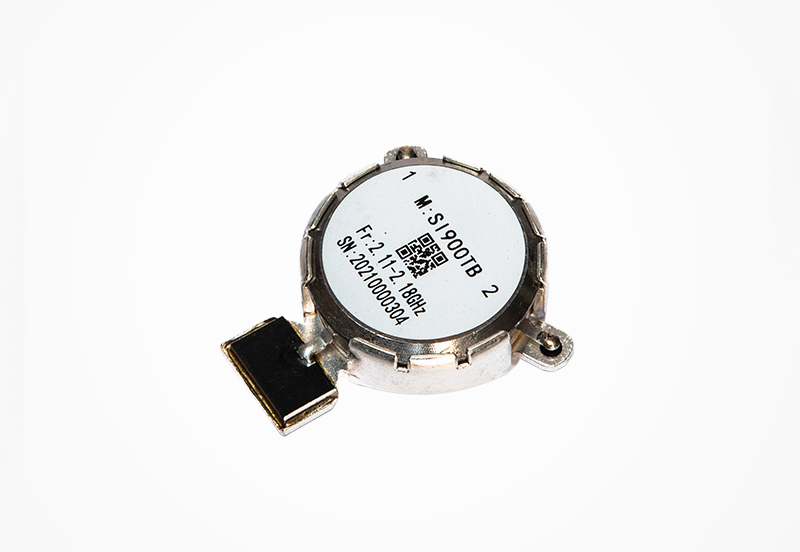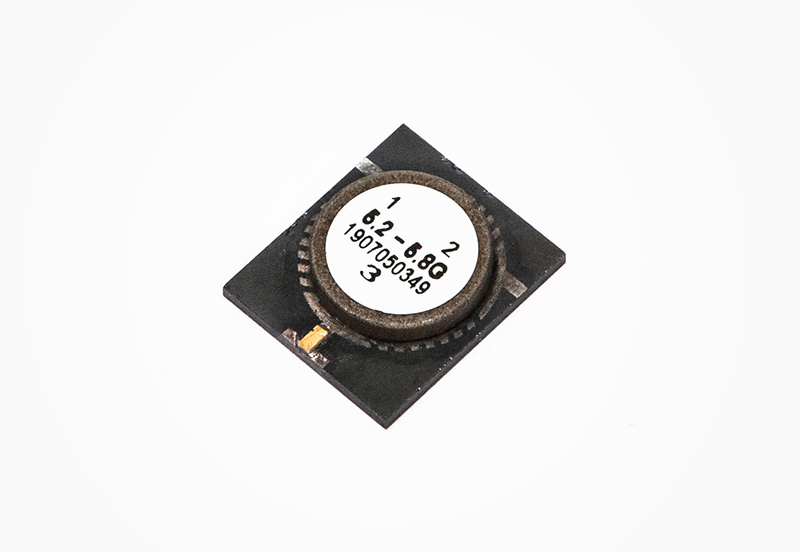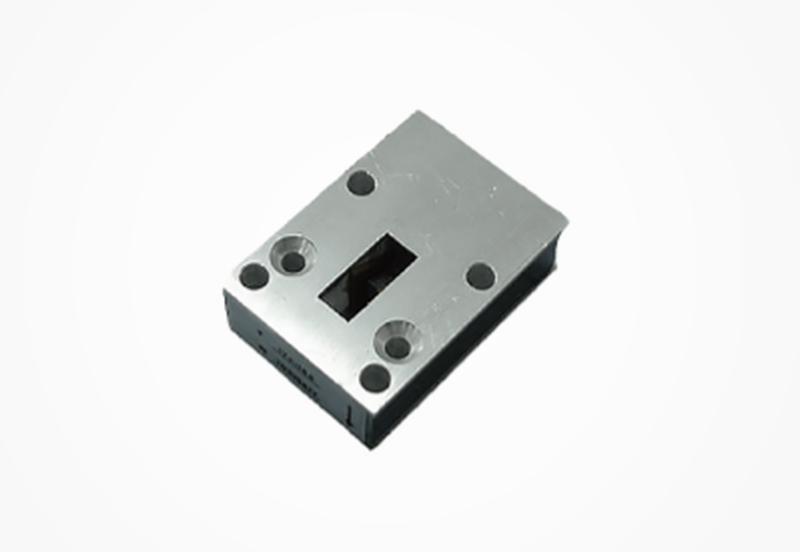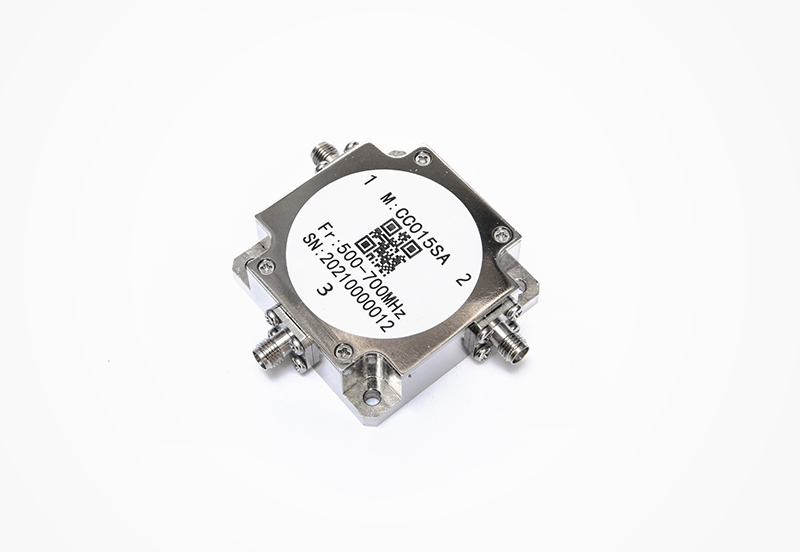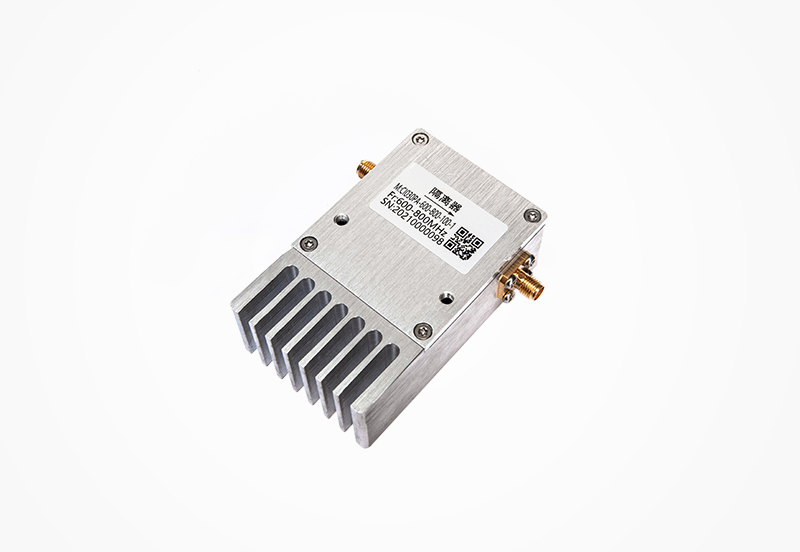




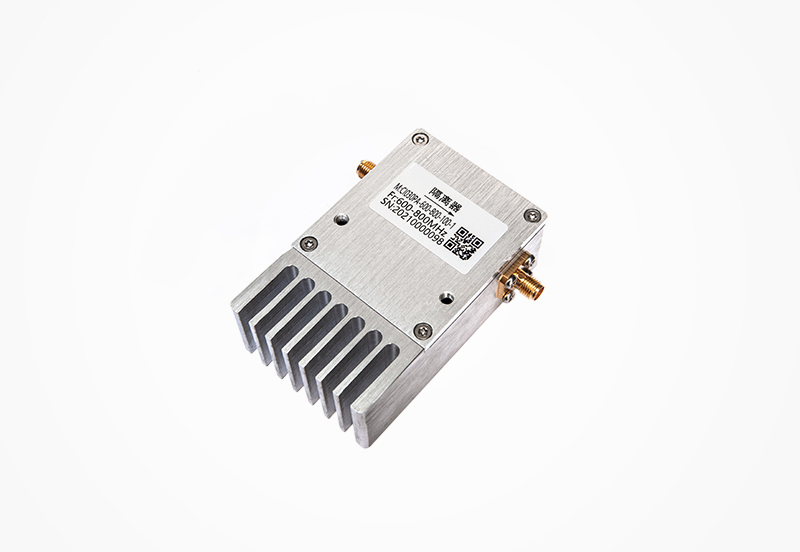
Low passive intermodulation (PIM) isolators have become an indispensable component for modern tower-mounted power amplifiers, especially in 4G, 5G, and emerging 6G wireless communication systems. Passive intermodulation distortion is a critical electromagnetic interference issue generated by passive radio frequency (RF) components when multiple carrier signals of different frequencies pass through them. Unlike active distortion caused by amplifier circuits, PIM arises from material nonlinearity, loose mechanical connections, surface oxidation, and inconsistent contact pressure in passive devices. For tower-mounted amplifiers deployed in outdoor base station environments, high PIM values can generate spurious frequency signals that overlap with uplink receiving bands, resulting in receiver sensitivity degradation, signal distortion, and even base station communication failure. Therefore, low-PIM isolators are specifically engineered to suppress such nonlinear interference and ensure the stable operation of tower-mounted amplification systems.
The core design goal of low-PIM isolators for tower-mounted amps is to maintain PIM levels below -160 dBc under high-power continuous-wave operating conditions, which is the industry standard for high-performance cellular base station equipment. Tower-mounted amplifiers usually work under long-term high-power output and variable outdoor environmental conditions, including temperature fluctuations, wind vibration, and humidity erosion, which easily induce PIM deterioration in ordinary isolators. Low-PIM isolators adopt optimized structural design solutions such as integrated one-piece molding, precision gold-plating surface treatment, and zero-gap assembly technology to eliminate micro-gaps and loose contact points that are the main sources of passive intermodulation. Meanwhile, the internal conductive parts use high-purity oxygen-free copper materials with excellent electrical conductivity and stable electromagnetic characteristics, which effectively reduce material nonlinear response under high RF power excitation.
In practical tower deployment scenarios, low-PIM isolators also need to coordinate with the heat dissipation and vibration resistance requirements of tower-mounted amplifiers. Traditional isolators often produce subtle structural deformation under long-term wind vibration, leading to changes in contact impedance and increased PIM. Low-PIM models are equipped with reinforced structural brackets and shock-resistant packaging structures to adapt to harsh tower working environments. Additionally, these isolators feature low insertion loss and high isolation performance while maintaining ultra-low PIM, avoiding the power attenuation and signal crosstalk problems caused by excessive PIM suppression design. By integrating low-PIM characteristics with environmental adaptability, these isolators effectively protect tower-mounted amplifiers from reverse signal interference and intermodulation noise, improving the overall spectrum utilization efficiency and communication stability of base station systems.


Contact Phone:
0755-26701085 0755-26701002
Company Address :2nd Floor, Building A, Juchuang Jingu Creative Park, Xili Street, Nanshan District, Shenzhen