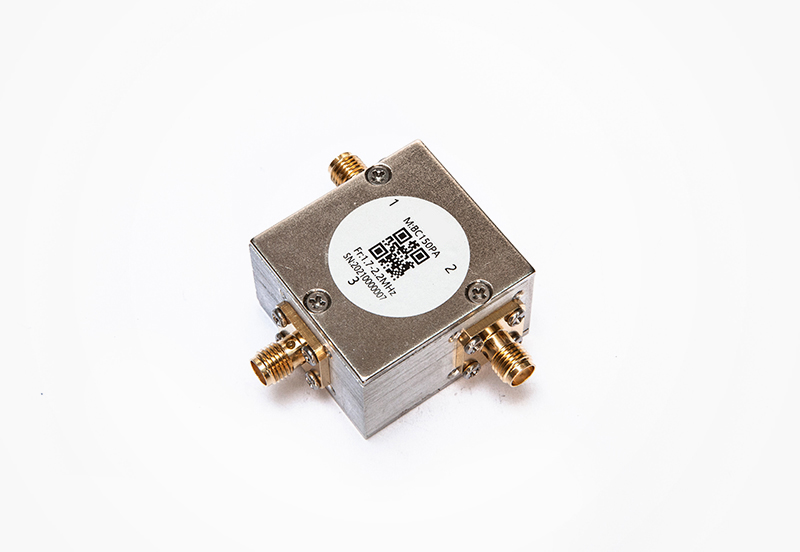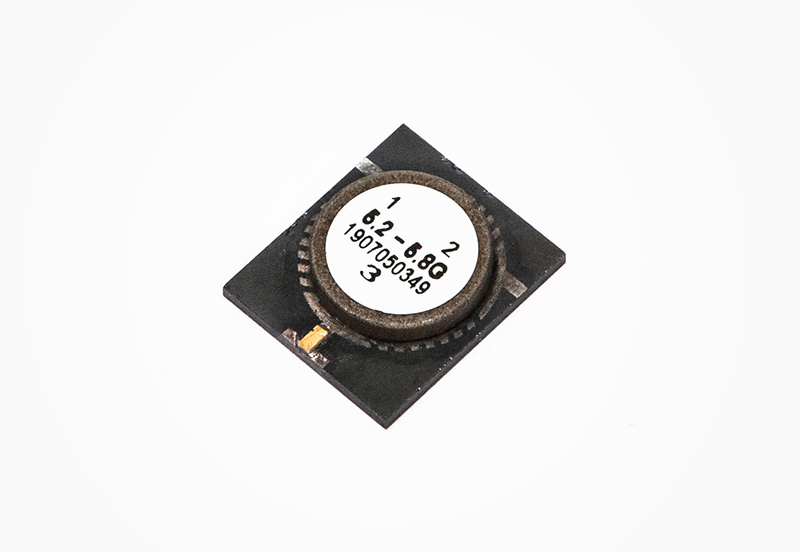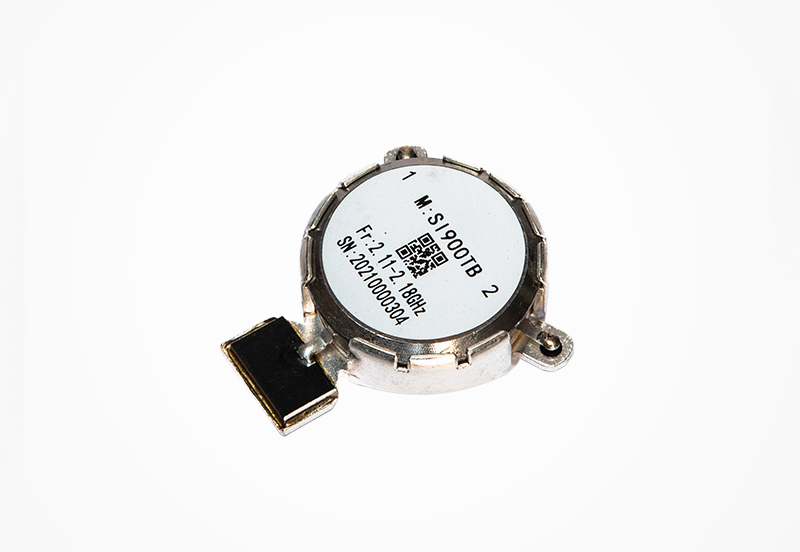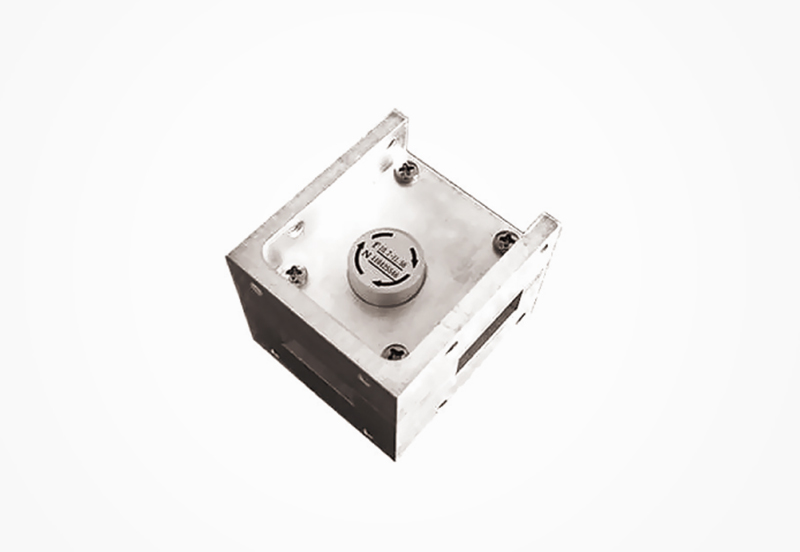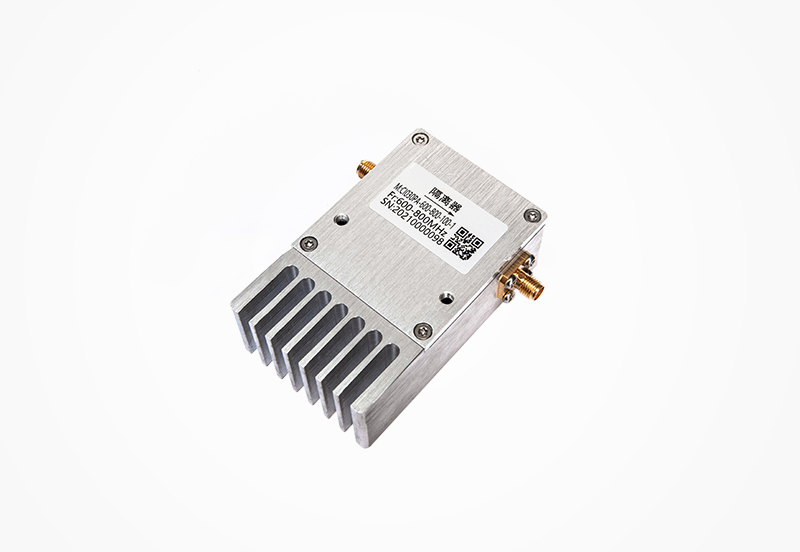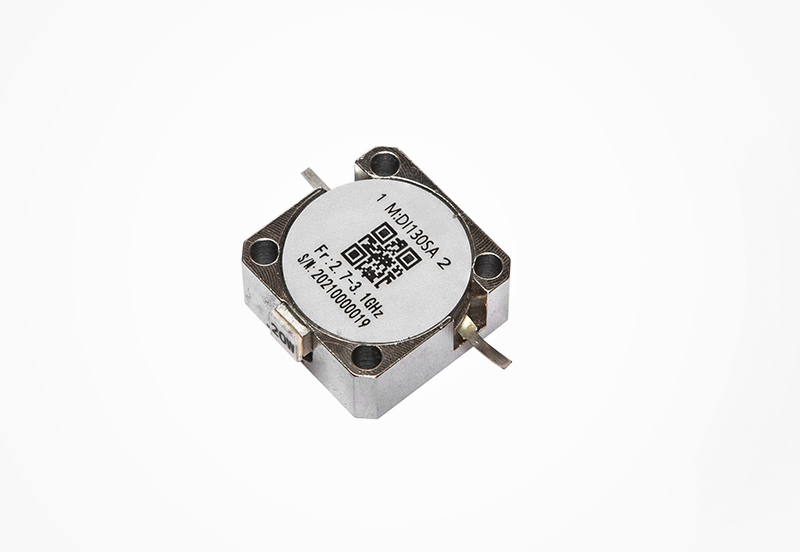




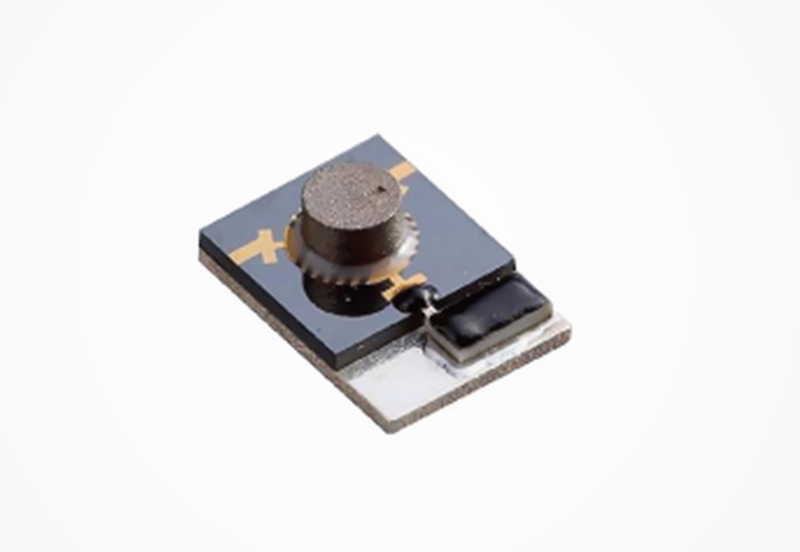
RF isolator power rating is a core electrical parameter that defines the maximum continuous and peak radio frequency power a component can safely handle under standard operating conditions, typically specified at a nominal center frequency and room temperature. Manufacturers categorize power ratings into forward power rating and reverse power rating, where the forward rating governs the primary signal transmission capacity in the transmitter chain, and the reverse rating defines the tolerance for reflected power from load mismatches. Standard power rating specifications are usually tested at a narrow frequency band centered on the isolator’s designed operational frequency, with controlled ambient temperature, fixed input signal duty cycle, and ideal 50Ω load impedance. Under these benchmark conditions, the isolator’s ferrite material, internal conductors, and dielectric structures maintain stable thermal and electrical performance without excessive heat generation, signal distortion, or component degradation.
Frequency derating is a critical correction factor that reduces the effective usable power rating of an isolator when operating outside its nominal center frequency, either at the lower or upper edge of the operational bandwidth. As the operating frequency deviates from the design center, the ferrite material’s magnetic permeability and loss tangent change significantly, leading to increased insertion loss and uneven power distribution across the isolator’s internal structure. At off-center frequencies, electromagnetic field concentration occurs in localized regions of the ferrite core, causing accelerated heat buildup that far exceeds the thermal dissipation rate under nominal conditions. This uneven thermal load raises the risk of ferrite saturation, dielectric breakdown, and permanent performance degradation if the full rated power is maintained.
Practical transmitter system design requires strict adherence to frequency derating curves provided by component manufacturers to ensure long-term reliability. For most commercial RF isolators, power derating becomes noticeable beyond 10% deviation from the center frequency, with usable power capacity dropping by 10% to 30% at the bandwidth edges. In wideband transmitter systems that operate across multiple frequency channels, engineers must derate the maximum forward power according to the worst-case frequency point rather than the center frequency rating. Additionally, frequency derating interacts with temperature derating in real-world applications; high ambient temperatures compound the power-handling limitations of off-frequency operation, requiring further power reduction to prevent thermal runaway and premature component failure in continuous-wave transmitter operation.


Contact Phone:
0755-26701085 0755-26701002
Company Address :2nd Floor, Building A, Juchuang Jingu Creative Park, Xili Street, Nanshan District, Shenzhen