


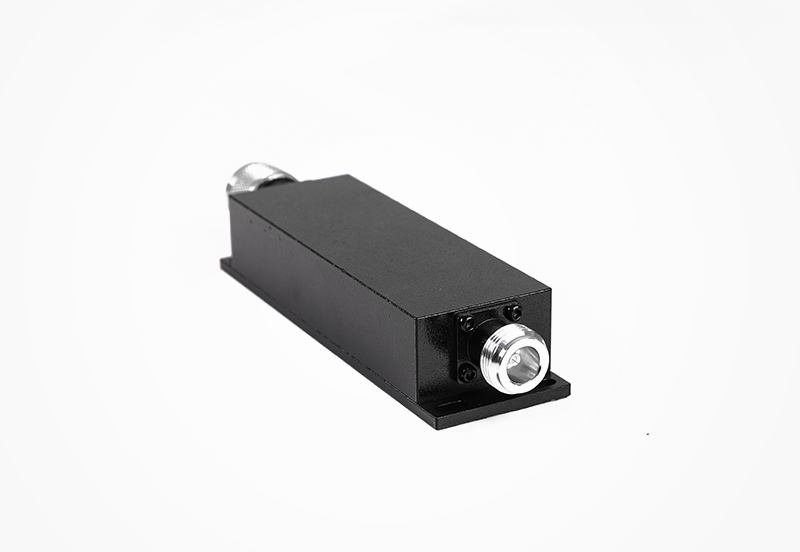
Spectrum resources in modern wireless communication systems are extremely scarce, and adjacent communication channels are densely arranged with extremely narrow channel spacing. In 5G, 6G, and satellite communication systems, the frequency interval between adjacent channels is usually only several m
View more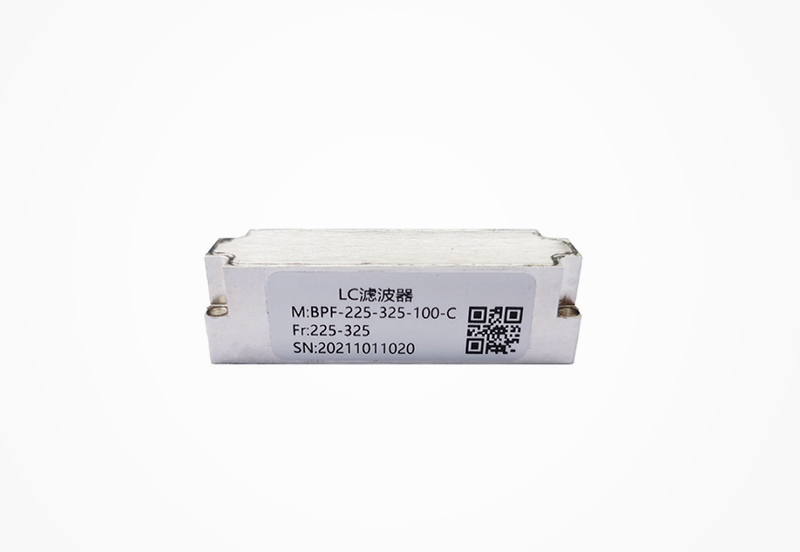
Automotive-grade filter temperature cycling testing is a mandatory reliability verification procedure to ensure that RF filters can maintain stable electrical performance and structural integrity under extreme and alternating temperature environments in vehicle operation. Automotive electronic syste
View more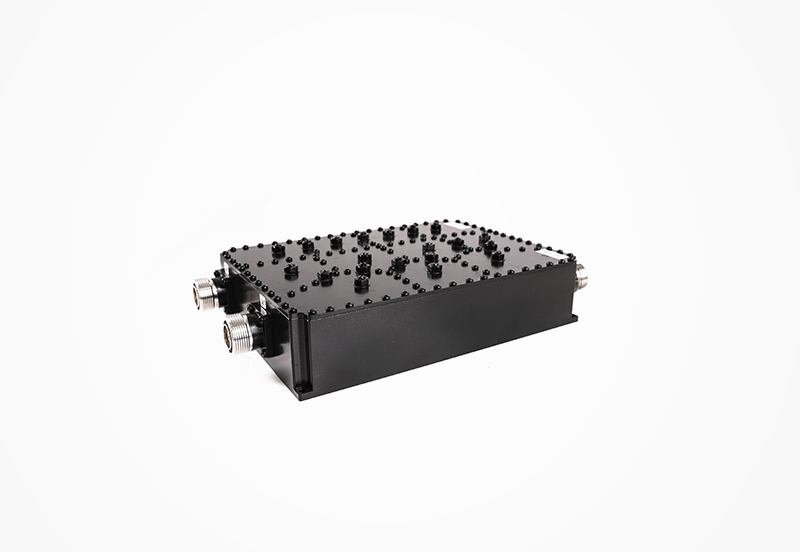
Microstrip hairpin filters are planar microwave filter structures optimized for printed circuit board (PCB) integration, featuring a compact hairpin-shaped resonant microstrip line layout. With the rapid miniaturization and planarization of modern wireless communication devices, traditional bulky ca
View more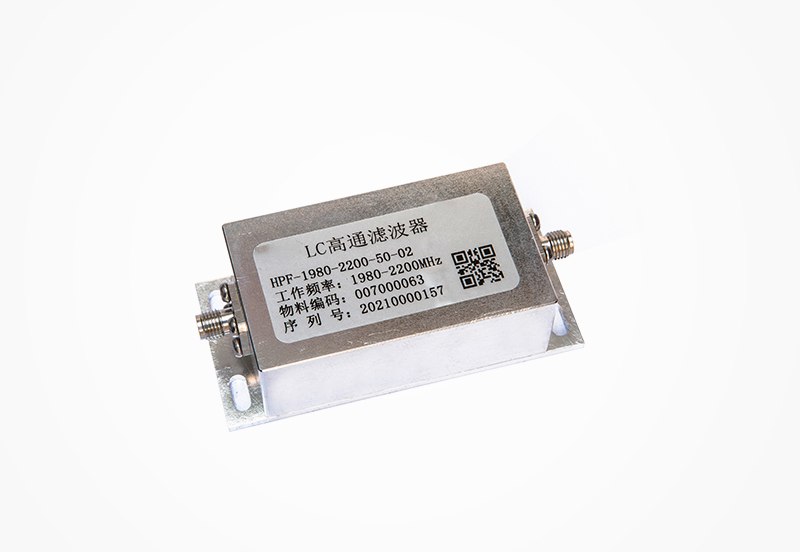
Radio frequency (RF) filters are core passive components in wireless communication, radar, and broadcasting systems, whose electrical performance is highly susceptible to ambient temperature variations. Temperature drift refers to the deviation of key filter parameters including center frequency, in
View more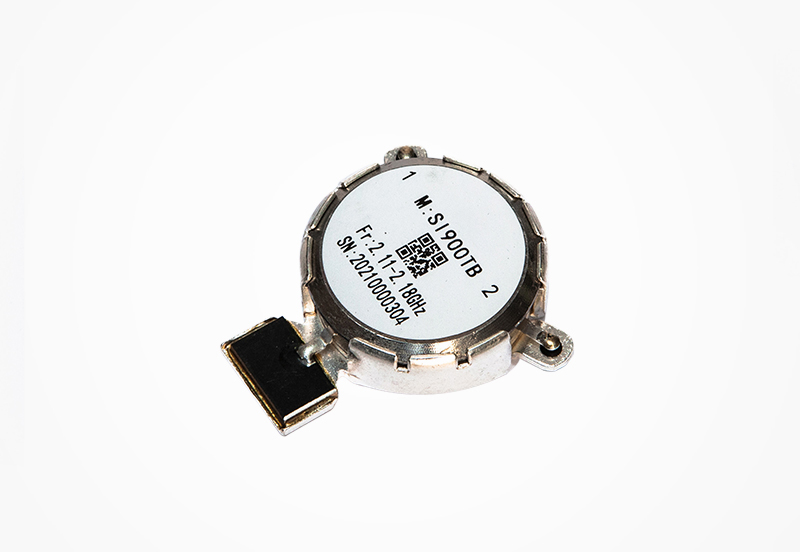
Pulse power handling capability is one of the most critical performance metrics for RF and microwave isolators, defining the device’s ability to withstand short-duration, high-amplitude pulsed power signals without electrical breakdown, performance degradation, or physical damage. Unlike continuous-
View more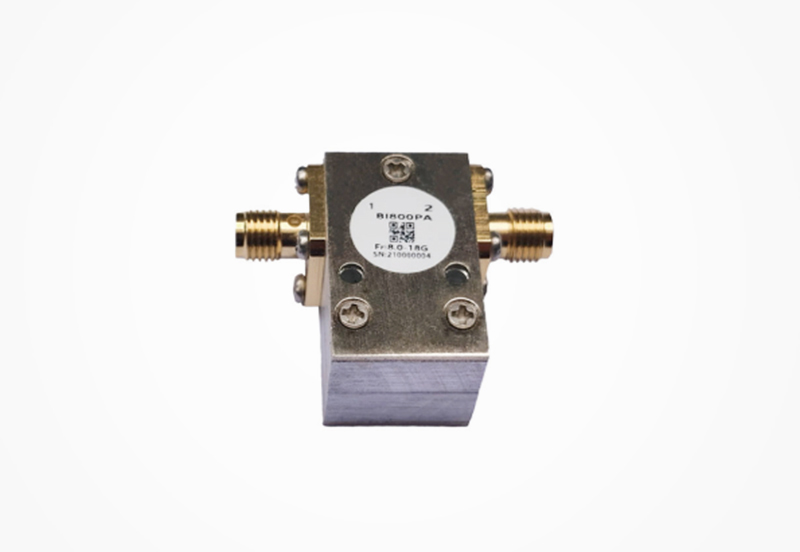
Sub-6 GHz frequency band, covering 300 MHz to 6 GHz, is the core working frequency range of 5G/4G mobile communication, IoT wireless transmission, civilian broadband communication, and short-distance wireless sensing systems, featuring wide application coverage, large equipment shipment volume, and
View more

Contact Phone:
+86-0755-26701085
+86-0755-26701002
Company Address :
2nd Floor, Building A, Juchuang Jingu Creative Park, Xili Street, Nanshan, Shenzhen


 CN

