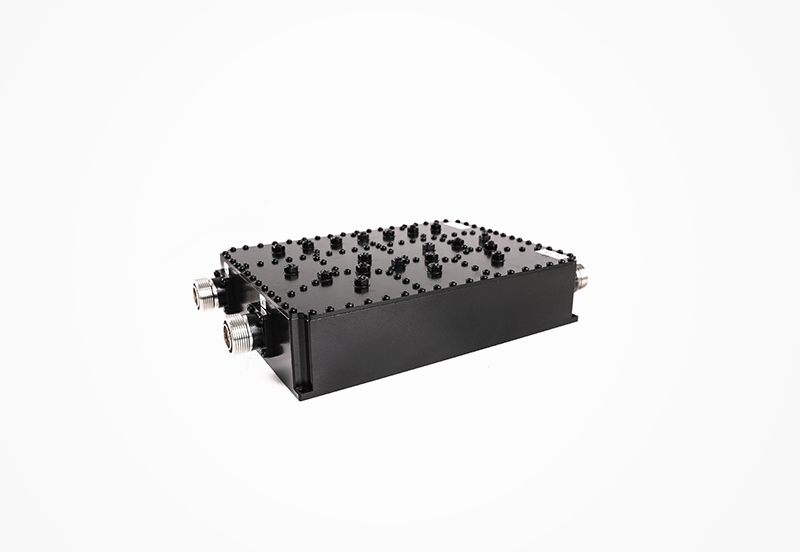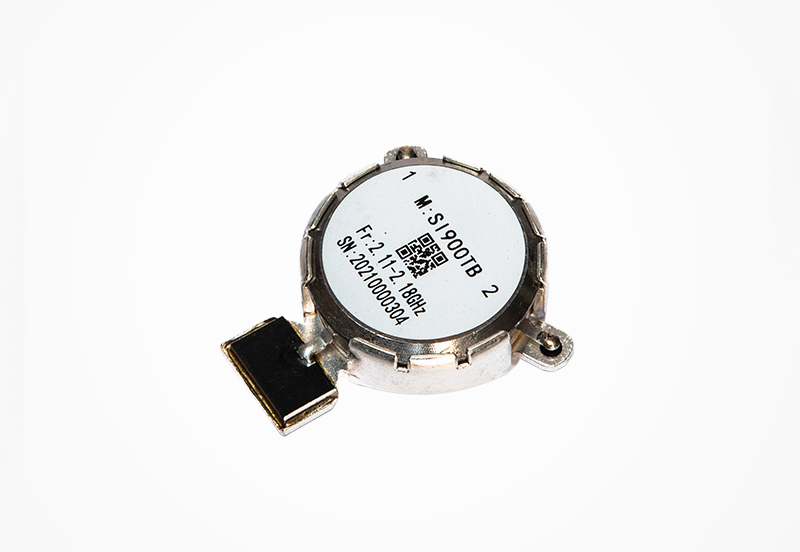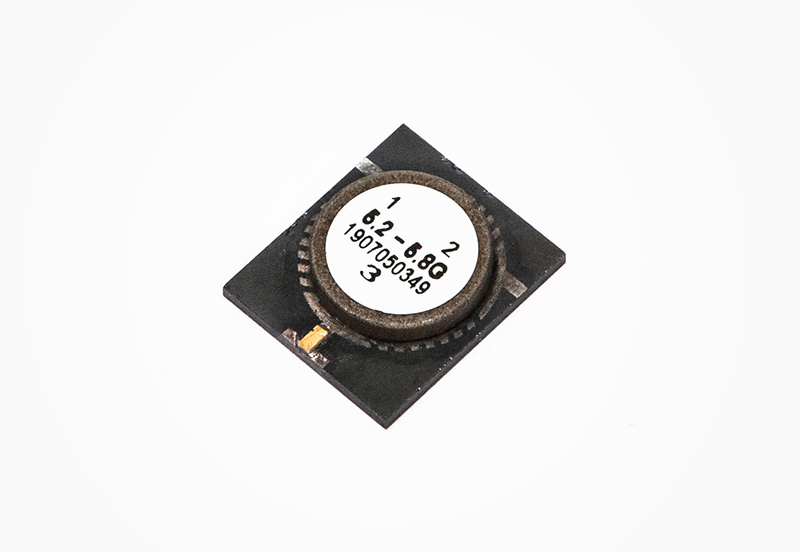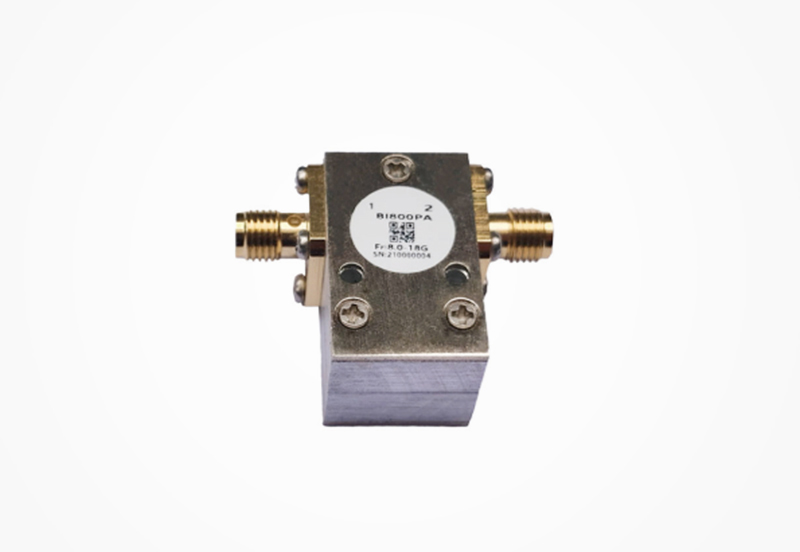

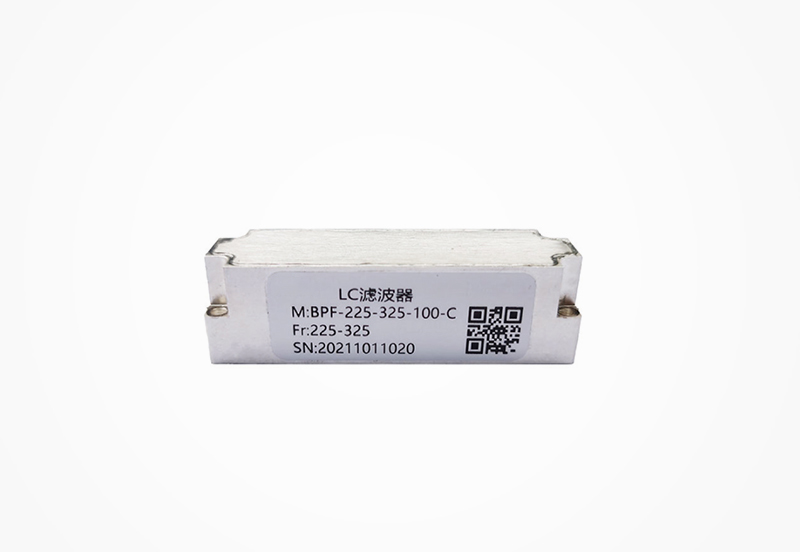
Automotive-grade filter temperature cycling testing is a mandatory reliability verification procedure to ensure that RF filters can maintain stable electrical performance and structural integrity under extreme and alternating temperature environments in vehicle operation. Automotive electronic systems operate in harsh and variable temperature conditions, with ambient temperatures ranging from -40°C in cold winter environments to +125°C in high-temperature engine compartments and instrument panels. Long-term alternating temperature changes will cause thermal expansion and contraction of filter dielectric materials, metal conductors, and packaging structures, leading to performance degradation such as frequency drift, increased insertion loss, reduced rejection, and even structural damage such as cracking and delamination. Temperature cycling testing simulates the extreme temperature alternating working conditions of vehicles throughout their service life, screening out unqualified products with poor temperature stability and ensuring the long-term reliability of automotive RF filters in on-board communication, radar sensing, and intelligent driving systems.
The implementation of automotive-grade filter temperature cycling tests follows strict industry standards such as AEC-Q200 and IEC 60068, with standardized test procedures, temperature ranges, and cycle parameters. The standard test process includes low-temperature holding, high-temperature holding, and temperature transition stages. The filter samples are placed in a programmable temperature cycling chamber, which repeatedly switches between -40°C low temperature and +125°C high temperature. Each complete temperature cycle includes several minutes of temperature transition, dozens of minutes of low-temperature constant temperature holding, and high-temperature constant temperature holding, to fully stimulate the thermal stress and potential structural defects of the device. The total number of test cycles is usually set to 500, 1000 or more according to vehicle grade requirements, covering the temperature change times of the vehicle during long-term driving, startup, and shutdown.
Performance detection and failure judgment after temperature cycling are key links of the test. Before, during, and after the test, professional RF test instruments are used to detect key filter indicators including insertion loss, return loss, passband bandwidth, center frequency, and stopband rejection. The test is qualified only if all electrical performance indicators remain within the allowable deviation range and no structural damage such as shell cracking, solder joint falling off, and material delamination occurs. Common failure modes of automotive filters after temperature cycling include center frequency offset caused by dielectric constant temperature drift, increased loss caused by metal conductor thermal fatigue, and reduced structural stability caused by packaging thermal stress. Through systematic temperature cycling testing, manufacturers can optimize filter material selection, structural design, and packaging technology to improve temperature adaptability, ensuring that automotive-grade filters maintain consistent and reliable performance throughout the vehicle's 10-year or 150,000-kilometer service life.


Contact Phone:
+86-0755-26701085
+86-0755-26701002
Company Address :
2nd Floor, Building A, Juchuang Jingu Creative Park, Xili Street, Nanshan, Shenzhen


 CN
CN