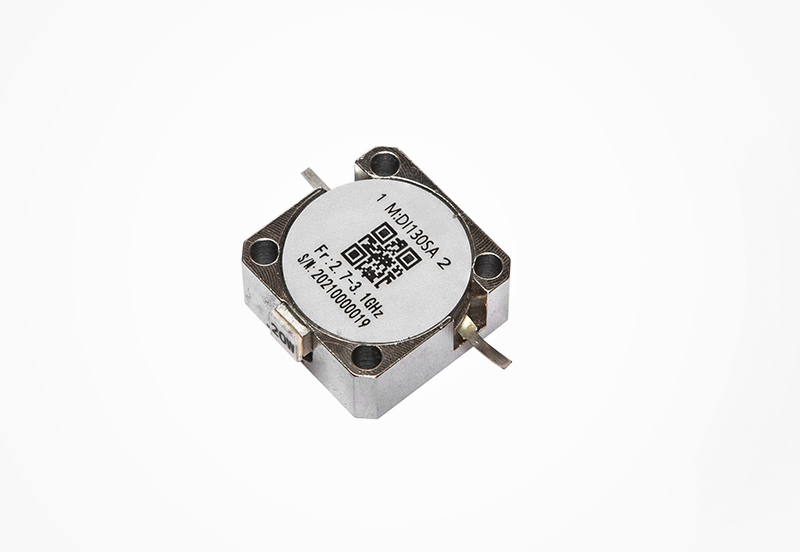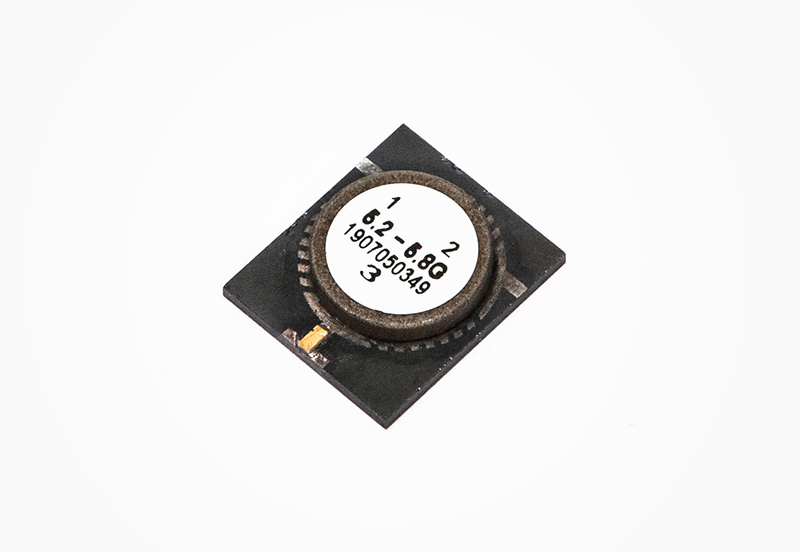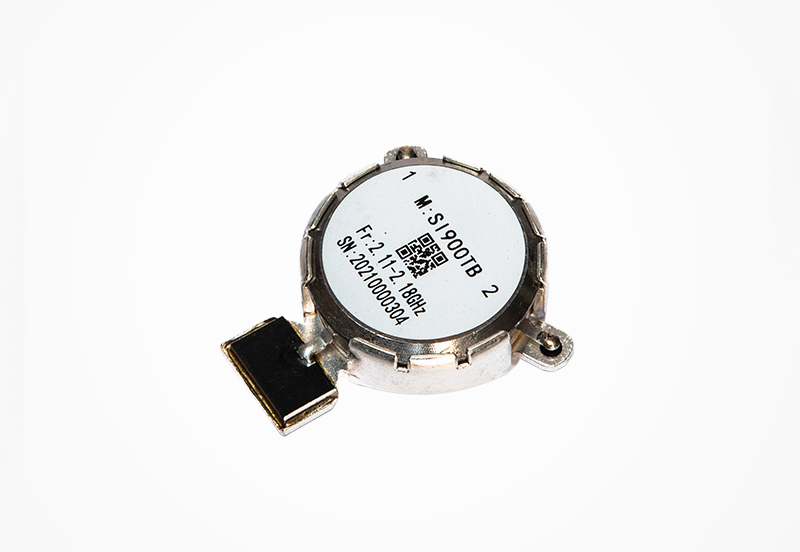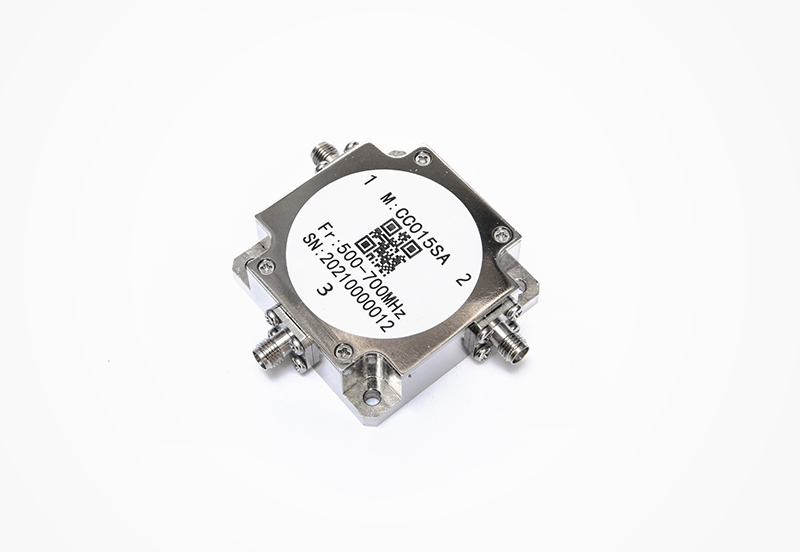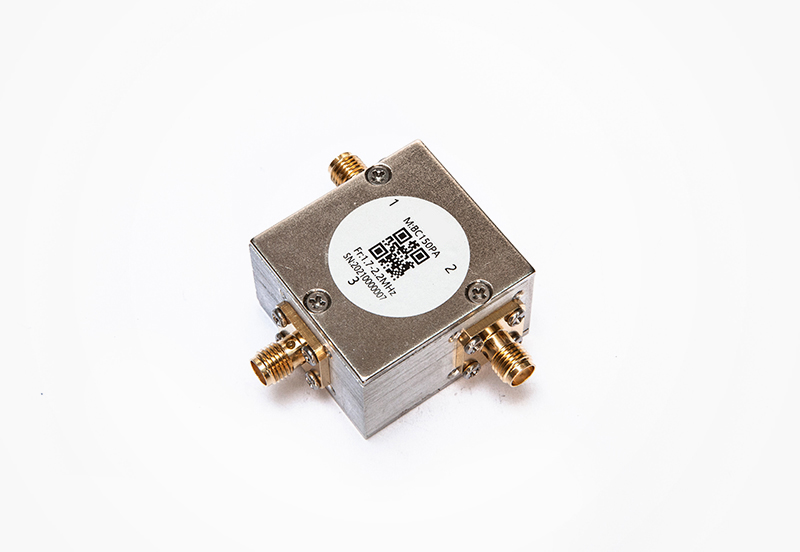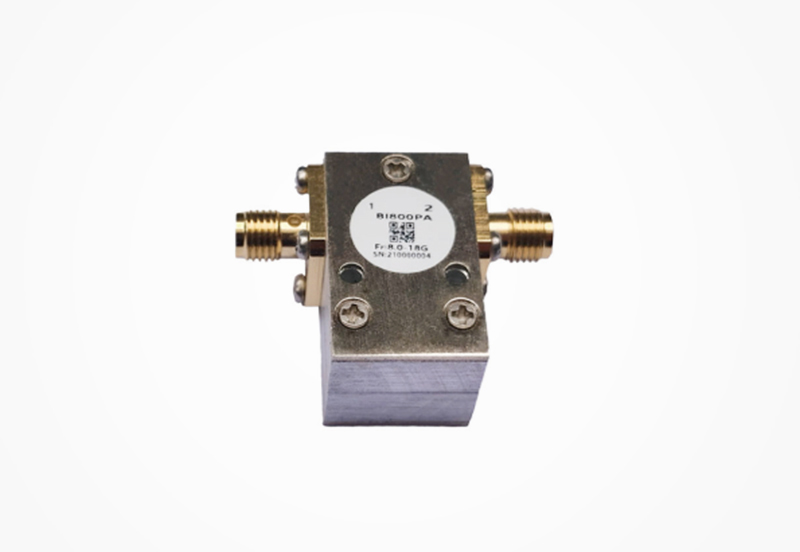




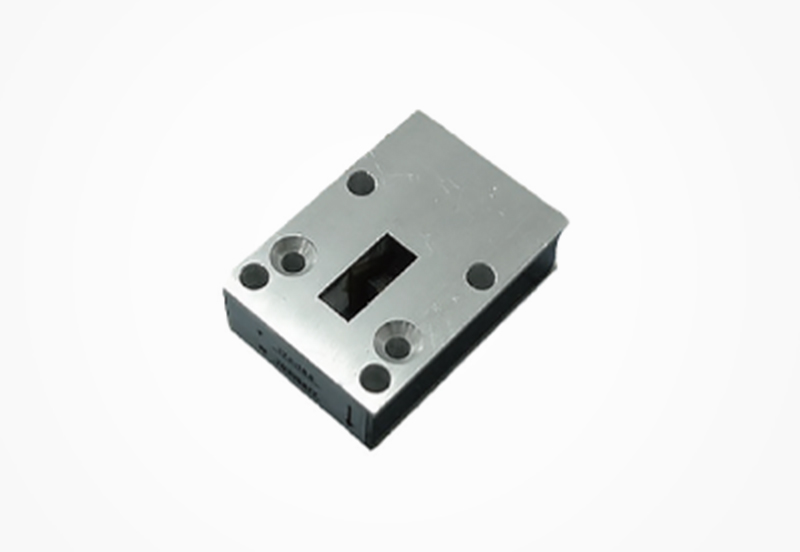
Surface finish is a critical manufacturing factor that directly dictates the radio frequency (RF) electrical performance of microwave isolators, exerting profound impacts on insertion loss, return loss, isolation, and signal stability across operating frequency bands. RF isolators rely on the skin effect for high-frequency signal transmission, where electromagnetic currents concentrate densely on the surface of conductive materials rather than penetrating the bulk substrate. This physical mechanism makes surface morphology, roughness, and plating quality far more influential than bulk material properties in determining RF loss characteristics. Common industrial surface finishes for isolators include gold plating, silver plating, tin plating, and hard anodization, each with distinct conductivity, surface roughness, and corrosion resistance that reshape the device’s microwave performance throughout its service life.
Surface roughness stands as the primary driver of RF performance deviation in finished isolators. Studies show that an RMS surface roughness of 1.2 μm increases conductive loss by approximately 15% compared to a smooth 0.4 μm RMS surface, as uneven microstructures scatter RF surface currents and disrupt uniform electromagnetic field propagation inside the isolator cavity. Excessive roughness not only elevates insertion loss and weakens signal transmission efficiency but also deteriorates return loss performance by introducing inconsistent impedance discontinuities. In high-frequency bands above 6 GHz, the skin depth of RF currents shrinks to the micrometer scale, making surface irregularities even more disruptive, leading to fluctuating impedance values and degraded isolation that fails to suppress reverse signal interference effectively.
Different plating and finishing materials further differentiate isolator RF performance. Silver plating delivers the highest surface conductivity and lowest RF loss, making it ideal for high-precision, low-insertion-loss isolators, yet it is prone to oxidation and sulfidation in humid environments, which gradually increases surface resistivity and degrades long-term stability. Gold plating offers superior chemical inertness and anti-corrosion capabilities, maintaining consistent surface conductivity in harsh ambient conditions, though its higher cost and slightly lower conductivity than silver limit its widespread use in cost-sensitive scenarios. Tin plating and conventional anodization are cost-effective but introduce higher inherent resistivity and surface roughness, resulting in noticeable RF loss that restricts their application in high-frequency and high-sensitivity RF systems.
In addition to electrical loss, surface finish quality affects the long-term reliability and environmental adaptability of isolator RF performance. Poor surface finishing often leaves microscopic pinholes, burrs, and plating defects, which accumulate dust, moisture, and contaminants over time. These defects trigger localized electromagnetic field distortion and increase leakage loss, while corrosion and oxidation further amplify performance degradation. Optimized surface finishing processes, including precision polishing and uniform thin-layer plating, minimize surface roughness, stabilize characteristic impedance, and maintain consistent insertion loss and isolation across temperature and humidity variations. For modern communication and radar systems, standardized surface finish control is indispensable to ensure the repeatability, consistency, and long-term stability of isolator RF performance.


Contact Phone:
0755-26701085 0755-26701002
Company Address :2nd Floor, Building A, Juchuang Jingu Creative Park, Xili Street, Nanshan District, Shenzhen