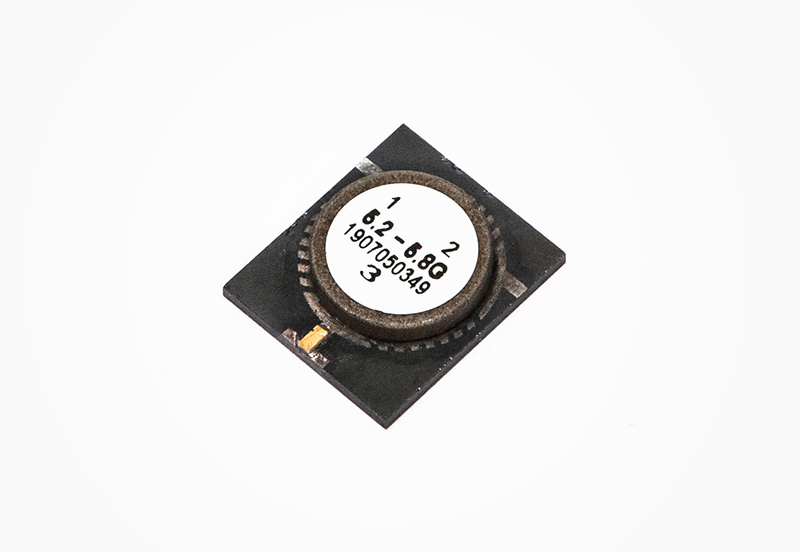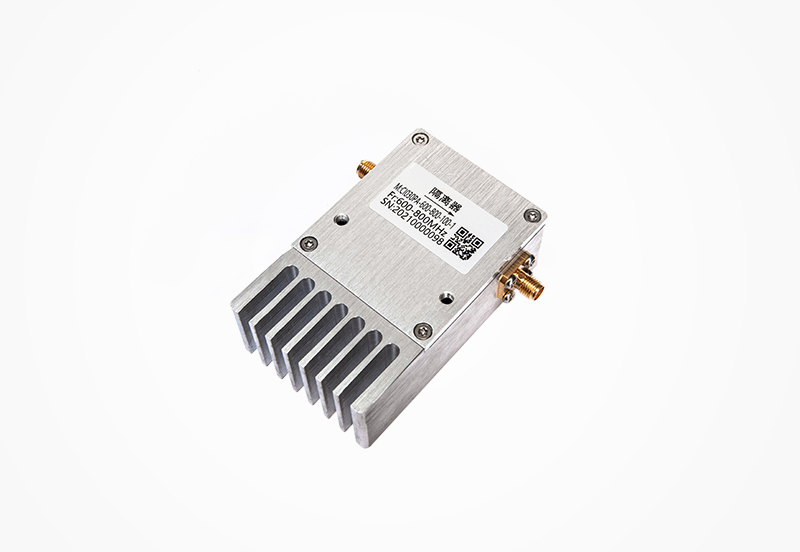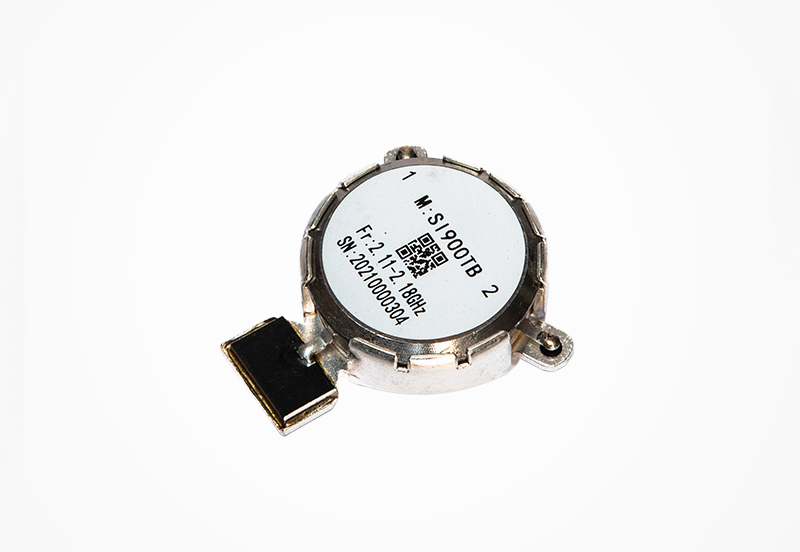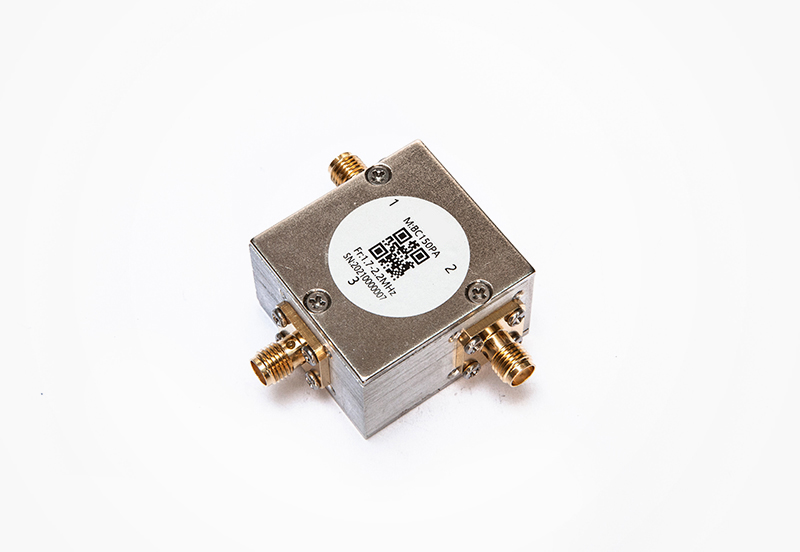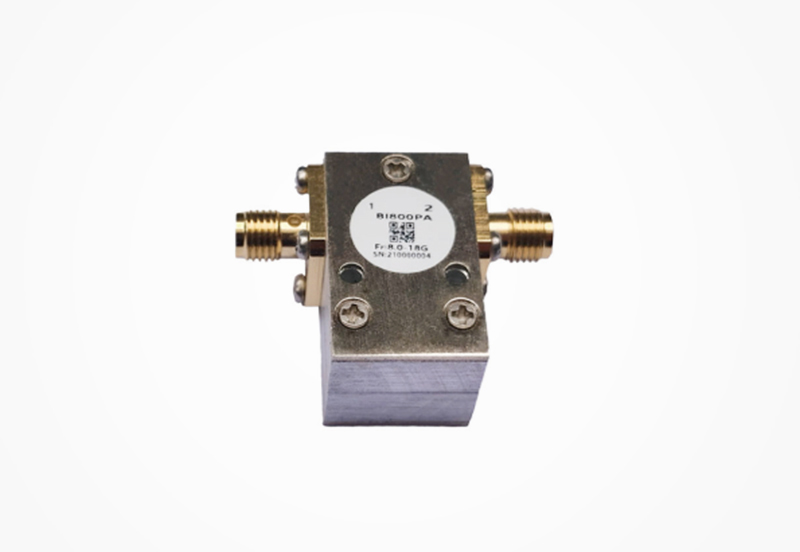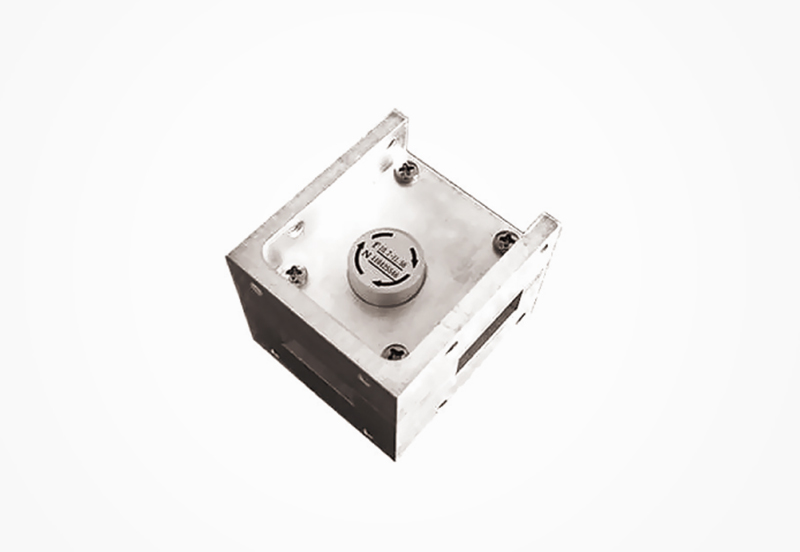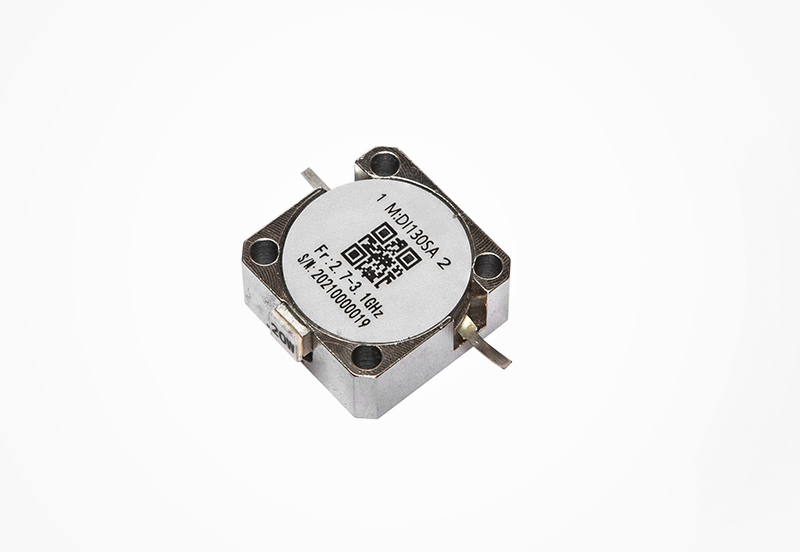




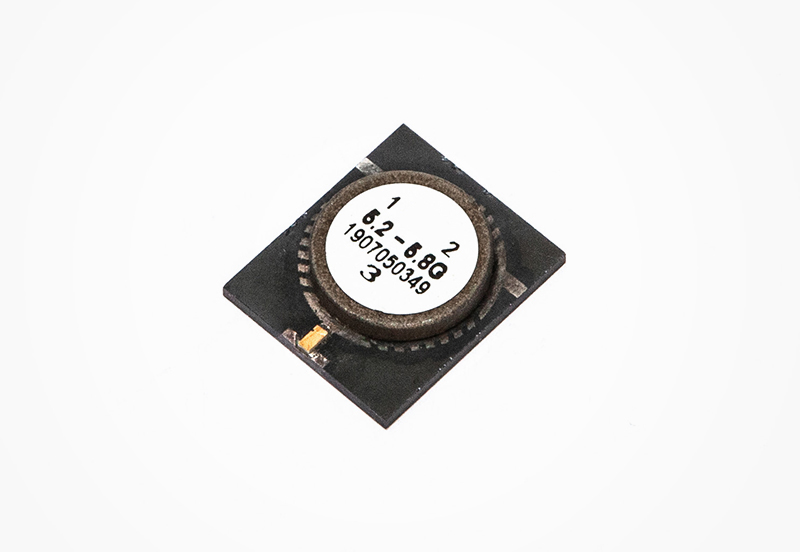
RF circulators are indispensable non-reciprocal components in modern wireless communication systems, responsible for isolating transmit and receive signals and ensuring stable signal transmission in multi-port RF frontends. Traditional ferrite-based circulators suffer from inherent narrow operating bandwidth, primarily due to the frequency-dependent impedance characteristics of ferrite materials and the mismatched port impedance across wide frequency spectrums. Conventional single-section quarter-wavelength impedance transformers can only achieve optimal matching at the center frequency, leading to deteriorated return loss, increased insertion loss, and degraded isolation performance at off-center frequencies. This bandwidth limitation severely restricts the application of circulators in broadband communication systems, including 5G macro base stations, ultra-wideband radar systems, and multi-band transceivers. To address this bottleneck, the integration of high-performance matching networks has become a core technical approach to extend circulator operating bandwidth while maintaining stable electrical performance.
Multi-section cascaded matching networks are the most widely adopted solution for circulator bandwidth enhancement, effectively overcoming the frequency limitations of single-stage matching structures. Different from traditional single λ/4 transformers, 2–4 stage graded impedance matching networks distribute impedance transformation gradients evenly across the operating frequency band, realizing smooth impedance matching between the circulator’s intrinsic complex impedance and the standard 50Ω system impedance. By optimizing the impedance gradient of each transmission line section and combining reactive compensation stubs, the network suppresses standing wave fluctuations at off-center frequencies, ensuring return loss remains above 18 dB and isolation exceeds 20 dB throughout the full operating band. In addition, lumped-distributed hybrid matching structures are suitable for miniaturized circulator designs at microwave and millimeter-wave bands. Lumped LC components compensate low-frequency reactance deviation, while distributed microstrip lines eliminate high-frequency parasitic effects, achieving flat broadband matching characteristics across multi-octave frequency ranges.
The design of broadband matching networks requires a comprehensive trade-off between bandwidth expansion, insertion loss, and device miniaturization. Purely increasing the number of matching sections can extend bandwidth but will introduce additional transmission loss and increase device size, which is unfavorable for compact RF system integration. Therefore, modern matching network design relies on 3D electromagnetic simulation tools to iterate and optimize network topology, component parameters, and layout structure. Meanwhile, combining ferrite material optimization with matching network design can further enhance broadband performance: adjusting the ferrite filling factor and DC bias magnetic field optimizes the gyromagnetic frequency response of the circulator body, while the matching network compensates residual impedance mismatch. Experimental results show that the optimized composite matching design can expand the 1-dB operating bandwidth of traditional circulators from less than 10% to more than 35%, with insertion loss controlled within 0.8 dB, realizing high-efficiency broadband operation of RF circulators and meeting the technical requirements of modern high-speed broadband wireless systems.


Contact Phone:
0755-26701085 0755-26701002
Company Address :2nd Floor, Building A, Juchuang Jingu Creative Park, Xili Street, Nanshan District, Shenzhen