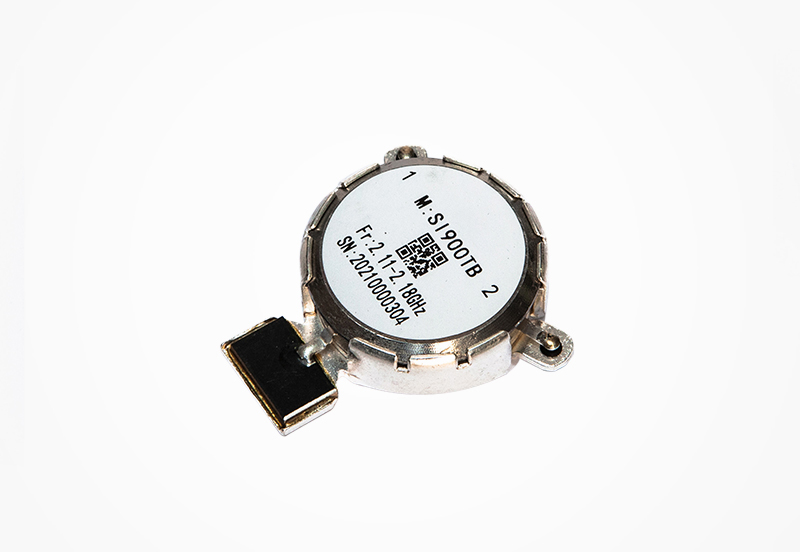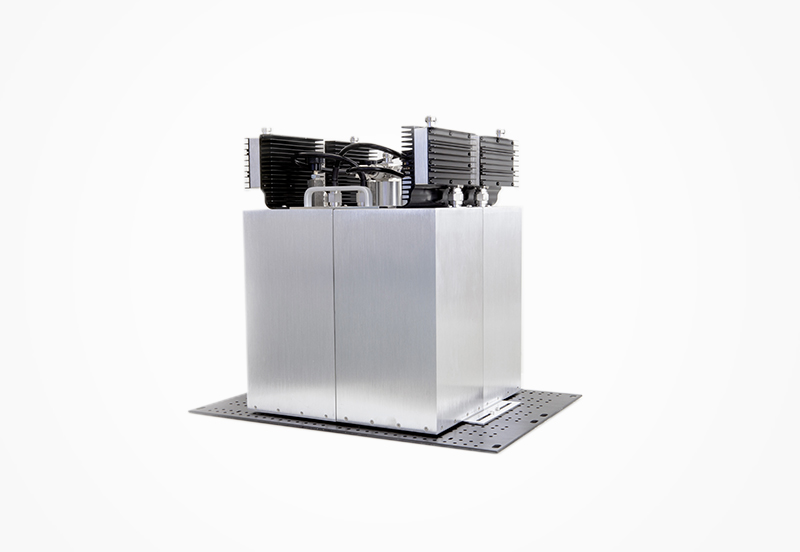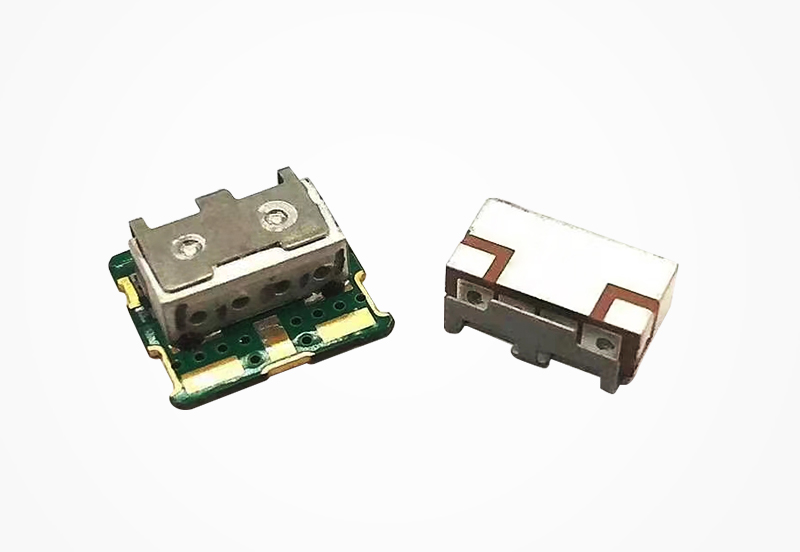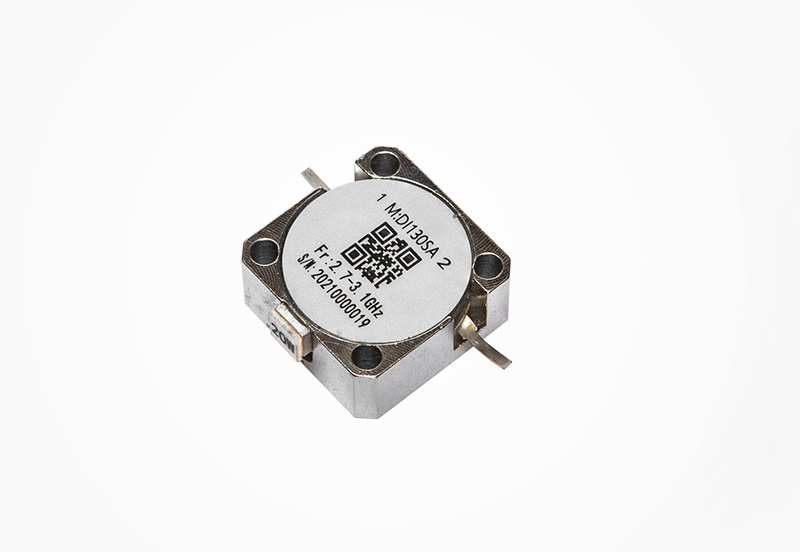


SAW (Surface Acoustic Wave) RF filters dedicated to the GPS L1 band are professional miniature filtering components designed for satellite positioning systems, targeting the 1575.42MHz center frequency of the GPS L1 civilian frequency band. Different from traditional electromagnetic resonance filters, SAW filters adopt piezoelectric substrate materials such as lithium niobate and lithium tantalate, and convert electromagnetic signals into surface acoustic waves through interdigital transducers on the substrate surface. By utilizing the fixed propagation characteristics and resonance frequency of surface acoustic waves, the filter realizes precise screening of GPS L1 band signals, achieving ultra-high-precision frequency selection that is difficult for ordinary filters to accomplish.
The GPS L1 band is the most widely used civilian positioning frequency band, but it is vulnerable to various electromagnetic interferences in urban and industrial environments, including mobile communication signals, broadcast signals, and harmonic clutter of electronic equipment. These interference signals will drown weak satellite positioning signals, resulting in positioning deviation, delay, or even failure. GPS L1 band SAW filters have extremely narrow passband and excellent stopband rejection capability, which can accurately extract weak GPS L1 satellite signals from complex electromagnetic noise. They effectively suppress out-of-band interference signals, greatly improving the signal purity and receiving sensitivity of GPS positioning modules, and ensuring the accuracy and stability of positioning data.
Miniaturization and high consistency are the prominent advantages of GPS L1 band SAW filters. The chip-scale packaging design enables the filter to be applied to compact terminal devices such as smartphones, vehicle-mounted positioning modules, wearable devices, and drone positioning systems without occupying excessive board space. In addition, the semiconductor manufacturing process ensures high consistency in batch production, with stable frequency response and filtering performance of each component. With the development of high-precision positioning technology, optimized SAW filter structures have further reduced insertion loss, enabling terminal equipment to capture more weak satellite signals in sheltered environments such as urban canyons and indoor spaces, greatly improving the environmental adaptability and positioning reliability of GPS systems.


Contact Phone:
+86-0755-26701085
+86-0755-26701002
Company Address :
2nd Floor, Building A, Juchuang Jingu Creative Park, Xili Street, Nanshan, Shenzhen


 CN