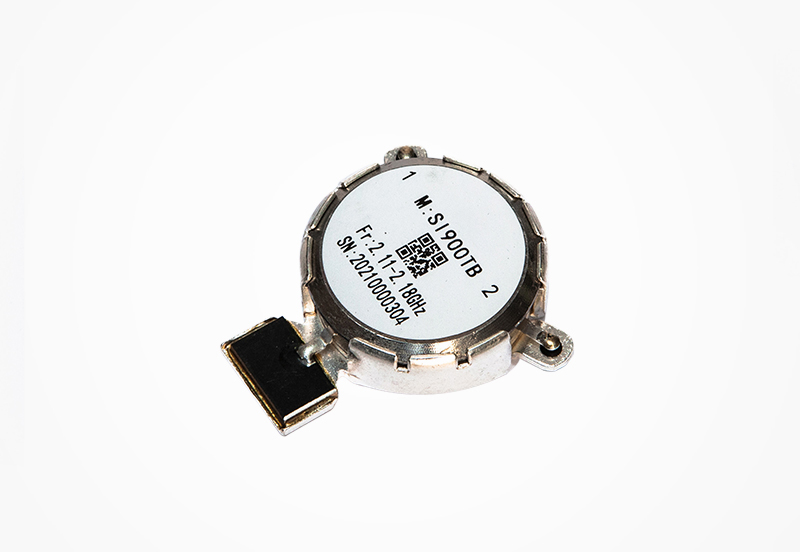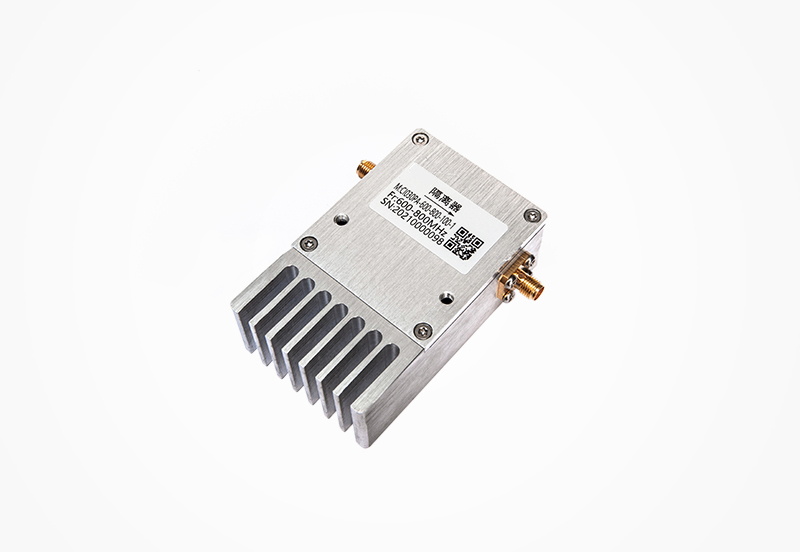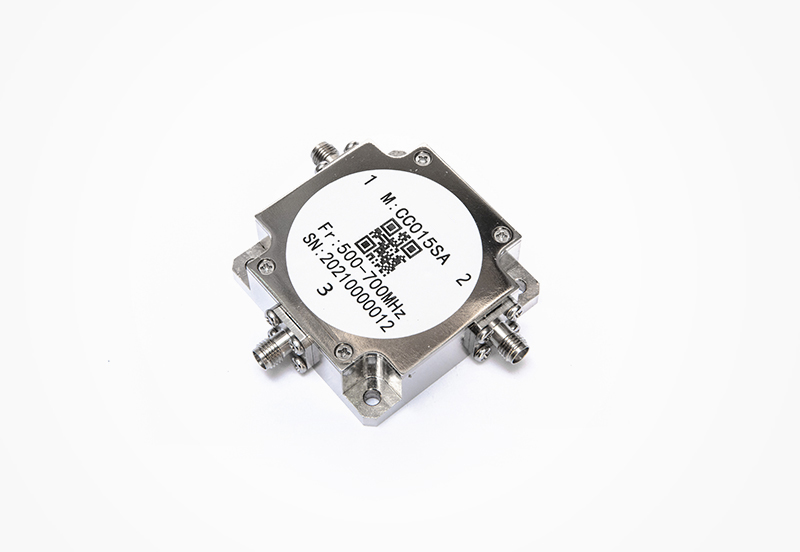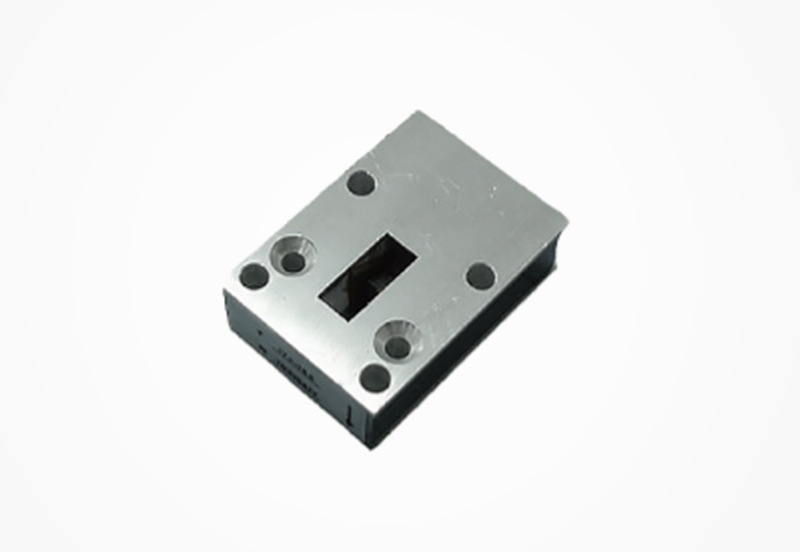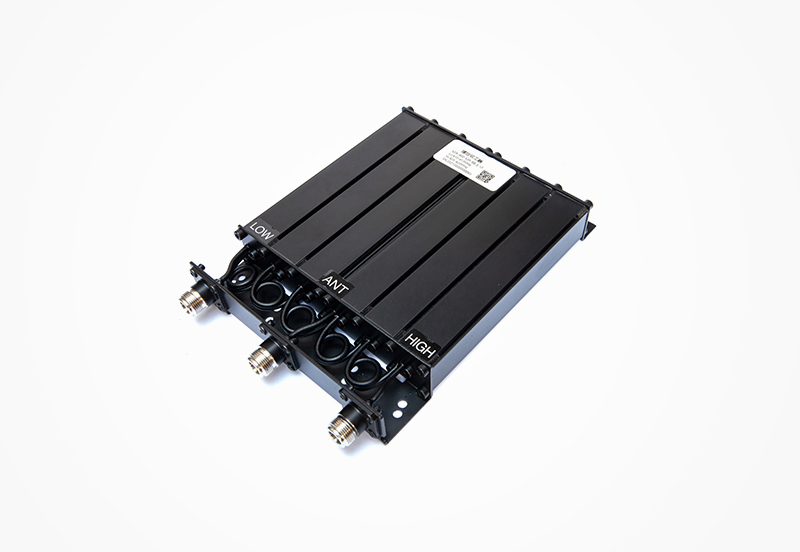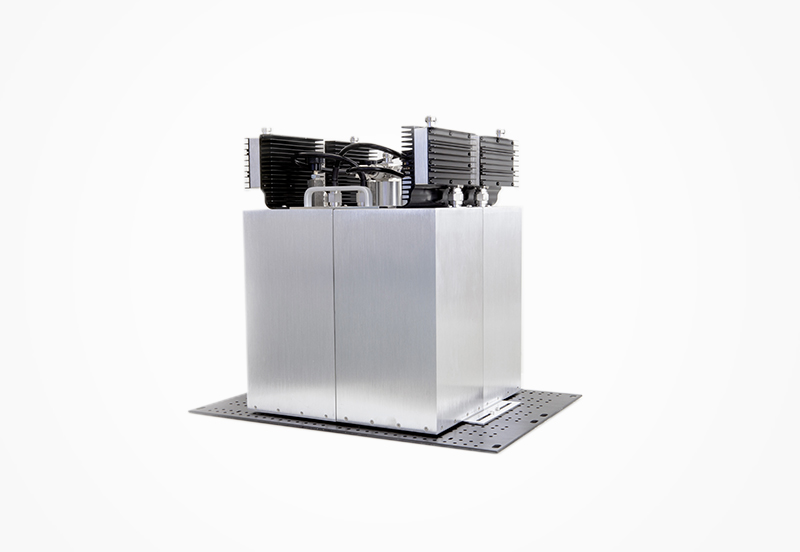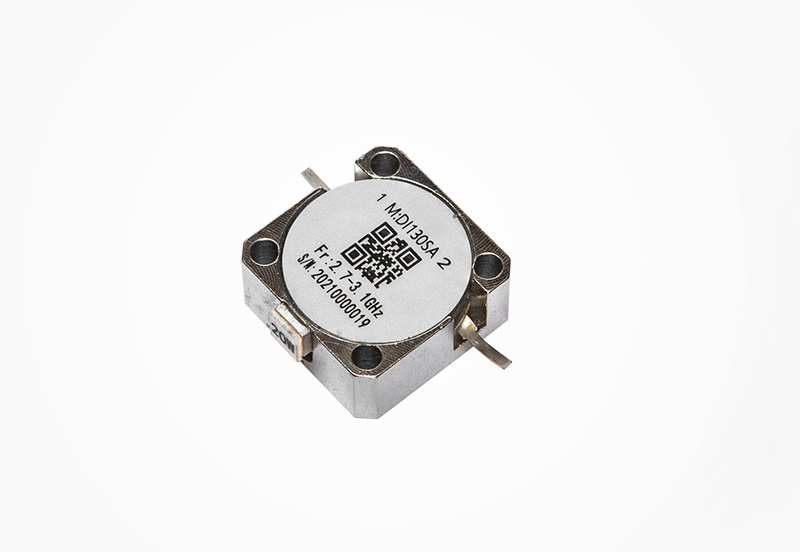


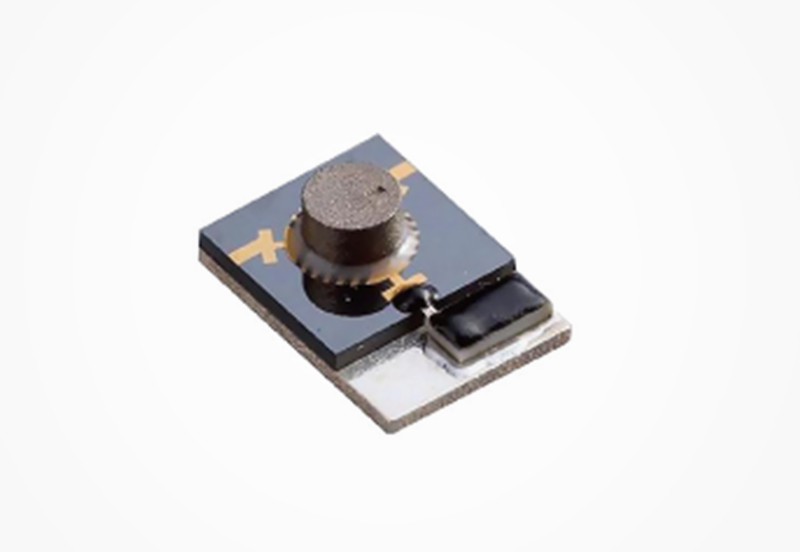
The indoor signal booster built-in RF isolator is a special miniaturized supporting component designed for indoor mobile signal amplification equipment, aiming to solve the core problems of self-interference, signal oscillation and amplification failure of indoor signal boosters in narrow indoor environments. Indoor signal boosters are widely used in shopping malls, office buildings, residential buildings and underground garages to compensate for weak mobile communication signals, but the closed indoor space is prone to signal reverse reflection and loop interference, resulting in booster gain instability, signal distortion and even self-oscillation shutdown. This built-in isolator is specially optimized for the working characteristics of indoor signal boosters, becoming a key core component to ensure the normal operation of signal amplification equipment.
This built-in RF isolator adopts a highly integrated miniaturized design, which can be perfectly embedded in the internal circuit of the indoor signal booster without increasing the overall volume and structural complexity of the equipment. It has moderate insertion loss and high directional isolation performance, which can realize one-way directional transmission of amplified signals. It effectively cuts off the signal closed-loop interference formed by the reflection of indoor walls, ceilings and obstacles, completely suppresses the self-oscillation phenomenon of the signal booster, and stabilizes the signal amplification gain and output power. While ensuring the efficient amplification of weak mobile communication signals, it avoids signal distortion, noise increase and frequency offset problems caused by interference, and greatly improves the quality of indoor covered communication signals.
In terms of practical application advantages, the built-in RF isolator has low power consumption and strong stability, adapting to long-term continuous working conditions of indoor signal boosters. It has excellent electromagnetic compatibility, will not generate new signal interference, and can be compatible with mainstream 4G, 5G and NB-IoT indoor signal amplification systems. By optimizing the internal signal transmission environment of the booster, the component effectively improves the signal coverage uniformity of indoor equipment, eliminates signal blind spots and flickering problems, and ensures stable voice calls and smooth data transmission for indoor users. With reliable performance and high cost performance, it has become a standard built-in component for high-quality indoor signal booster equipment.


Contact Phone:
+86-0755-26701085
+86-0755-26701002
Company Address :
2nd Floor, Building A, Juchuang Jingu Creative Park, Xili Street, Nanshan, Shenzhen


 CN